
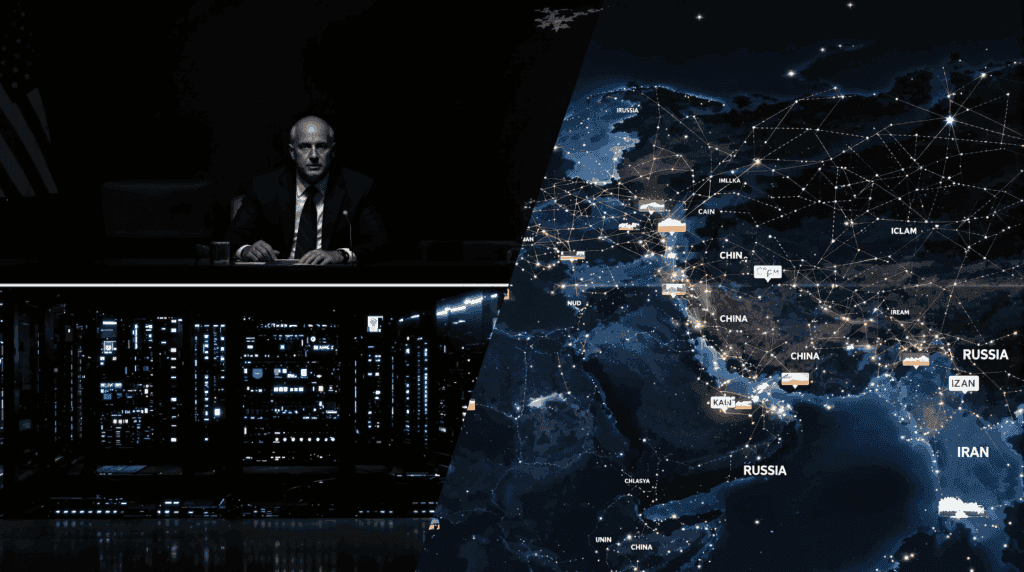
Sanctions, for example. They’re a favorite tool of governments, a way to show displeasure without, you know, actual warfare. But sanctions only work if you can actually stop the sanctioned party from accessing funds. In traditional finance, that’s…complicated. Shell companies, friendly banks in far-off places, a whole tangled web. But crypto? The blockchain is supposed to be transparent. Supposed to be. It turns out, it’s more like a slightly transparent fog. You can see something, but figuring out who’s who is still a headache.
Chainalysis points out that when a big entity gets sanctioned—like a Russian exchange called Suic—the initial list of associated crypto addresses is just the tip of the iceberg. They might list three addresses, but blockchain analytics can uncover millions linked to that same entity. That’s a huge leap in visibility. But here’s the catch: the bad guys adapt. They don’t just sit there and wait to get caught. They start using single-use wallets, creating a new address for every transaction. It’s like constantly changing your phone number after every call. Annoying for investigators, but effective.
And it’s not just about hiding money. It’s about finding new ways to move it. Russia, cut off from much of the global financial system, is experimenting with crypto. They’ve legalized cross-border crypto payments, which sounds straightforward, but it’s not. You need exchanges to actually facilitate those payments. And those exchanges need to be willing to risk getting sanctioned themselves. So, you see these “instant exchangers” popping up, basically unregulated platforms where you can swap crypto for crypto, or even rubles for crypto, with minimal oversight. Think of it as a digital flea market for illicit funds. It’s not going to replace the global banking system, but it’s a workaround.
Beyond the Big Players
The focus on Russia, China, and North Korea is understandable. They’re major geopolitical players with a history of, shall we say, creative financial maneuvering. But the really interesting stuff, in some ways, is happening on the fringes. Chainalysis is starting to pay attention to Southeast Asia, specifically Cambodia and Myanmar, where a massive scam ecosystem is thriving. It’s fueled by “pig butchering” scams—where fraudsters build relationships with victims online before swindling them out of their savings—and facilitated by platforms like WannaGuarantee. It’s a digital Wild West, and it’s generating billions of dollars.
WannaGuarantee, by the way, isn’t a scam itself. It’s an escrow service. It provides a safe(ish) way for scammers to conduct transactions. It’s like a digital middleman, taking a cut of every deal. And it’s attracting a lot of attention from law enforcement. But shutting it down is easier said than done. These platforms are often hosted in countries with lax regulations and a general indifference to international law enforcement requests. It’s a cat-and-mouse game, and the scammers are surprisingly agile.
Then there’s the issue of dual-use goods. Things that have legitimate purposes but can also be used for nefarious activities. Like drone technology. A commercial drone is perfectly legal to buy and sell. But if you’re selling a large quantity of drones to a Russian entity linked to the military, that raises some eyebrows. Chainalysis has been tracking these kinds of transactions, and they’re seeing a pattern. It’s not always a clear-cut case of “this drone is going to be used to bomb a city,” but it’s enough to warrant further investigation.
And it’s not just drones. It’s mining equipment, software, even specialized components. The bad guys need tools, and they’re finding ways to acquire them, often through a network of intermediaries and shell companies. It’s a global supply chain for illicit activity, and it’s surprisingly resilient.
What’s next? Chainalysis is keeping a close eye on how Russia’s new crypto regulations play out in practice. Will they actually use crypto to bypass sanctions? And what will be the impact of increased scrutiny on these instant exchangers? They’re also watching the relationship between Russia, China, and Iran, looking for signs of increased cooperation. It’s a complex picture, and it’s constantly evolving. But one thing is clear: crypto is no longer a niche corner of the financial world. It’s become an integral part of the geopolitical landscape. And that, frankly, is a little unsettling.
The professionalization of crypto crime is also a big concern. It’s no longer just a bunch of lone hackers and amateur scammers. Organized crime groups are getting involved, bringing with them their expertise in money laundering and their connections to powerful individuals. They’re treating crypto like any other asset, and they’re using it to maximize their profits. It’s a sobering thought, and it’s a reminder that the fight against crypto crime is far from over. It’s a bit like trying to nail jelly to a wall, really.