




Back in 2008, someone – or a group – calling themselves Satoshi Nakamoto dropped a paper that changed everything. It wasn’t about faster computers or fancier phones. It was about exchanging value directly, person to person, without needing a bank or anyone else in the middle. A simple idea, really. But it sparked a revolution.
- The concept of exchanging value directly without intermediaries sparked a revolution in digital finance.
- Innovators have built networks for various services, creating a surprisingly democratic system despite governmental concerns.
- Congress is working on new laws to balance investor protection with encouraging innovation in the digital asset space.
Soon, people started building on that idea. Not just exchanging digital money, but using it for…well, pretty much anything. Services, digital art, even just proving you own something. It’s like inventing the wheel, then realizing you can build a car, a cart, or even a really complicated clock with it. The possibilities, as they say, are endless. And a little bit chaotic.
Over the last decade, innovators have created networks for all sorts of things: computing power you can rent, places to store files, ways to trade assets, even cellular coverage and Wi-Fi. Anyone can offer these services, and anyone can use them. It’s a surprisingly democratic system. But it hasn’t been smooth sailing. The government, frankly, hasn’t been thrilled.
The Biden-Harris Administration, for example, seemed determined to shut things down with lawsuits and enforcement actions. It felt a bit like trying to stop the internet in 1995. And the Securities and Exchange Commission (SEC)? They couldn’t – or wouldn’t – say what rules applied to these new digital assets. This uncertainty sent a lot of innovation packing for friendlier shores. Countries that actually wanted the business.


A Path Forward, Finally
Congress, thankfully, started to pay attention. They realized that the old rules weren’t designed for this new world. So, they started working on new laws, trying to balance protecting investors with encouraging innovation. It’s a tricky tightrope walk, to be sure. But progress is being made.
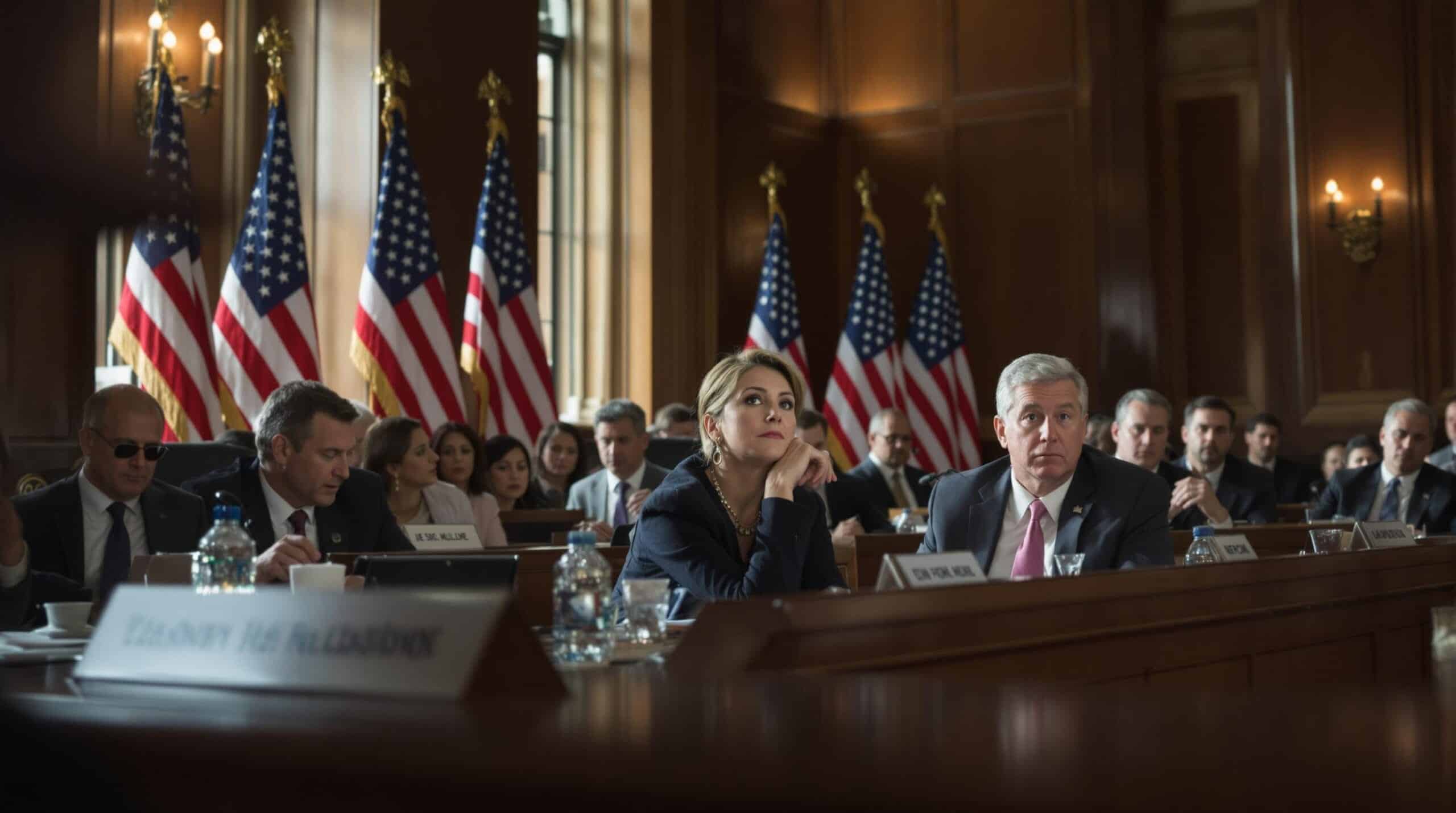
The House Committees on Financial Services and Agriculture even teamed up – a rare sight these days – to tackle the issue head-on. And they actually passed bipartisan legislation. That’s right, Democrats and Republicans agreeing on something. It’s a small miracle. This collaboration, under President Trump’s direction, is laying the groundwork for a more sensible framework.
Both the House and Senate are now focused on creating a clear path forward. The goal? To make America the “crypto capital of the planet,” as President Trump put it. Ambitious, perhaps. But not entirely unrealistic. They’ve outlined six key principles to guide their work.
First, legislation needs to encourage innovation. We can’t stifle creativity with overly strict rules. Second, we need clarity on what these assets *are*. Are they securities? Or something else? Knowing the rules of the game is essential. Third, there needs to be a clear process for issuing new digital assets, protecting investors while allowing companies to raise capital.
Fourth, spot market exchanges – the places where you actually buy and sell crypto – need to be regulated, just like any other financial firm. The Commodity Futures Trading Commission (CFTC) should oversee these exchanges, ensuring they’re fair and transparent. Fifth, customer assets need to be protected. Funds should be segregated and held by qualified custodians, even if the exchange goes bankrupt. Nobody wants to lose their savings.
And finally, decentralized projects – the ones that aren’t controlled by a single entity – need to be treated differently. They pose different risks and benefits, and shouldn’t be subject to the same rules as centralized exchanges. Protecting an individual’s right to self-custody their digital assets is also crucial. It’s about freedom, really.
What This Means for You
The committees are planning another hearing in May to discuss these issues further. The aim is simple: bring much-needed clarity to a rapidly evolving industry. It’s not going to be easy. There will be debates, compromises, and probably a few headaches along the way. But the potential rewards are enormous.
Imagine a financial system that’s more accessible, more efficient, and more transparent. A system where anyone can participate, regardless of their background or location. That’s the promise of digital assets. And with a little bit of luck – and a lot of hard work – it’s a promise that could become a reality. It’s a long road, but the first steps are being taken.