




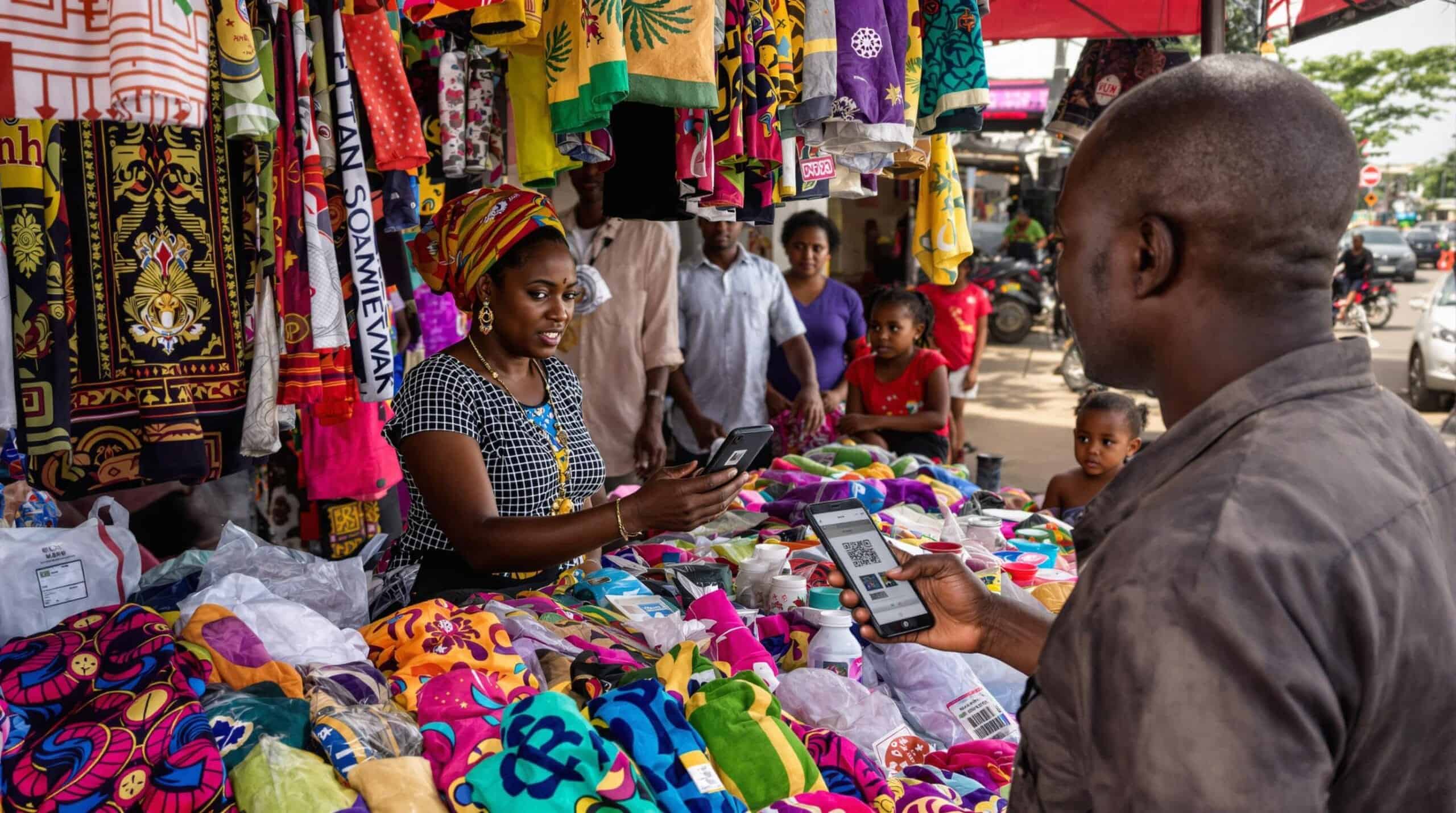
Bitcoin promised peer-to-peer cash. It hasn’t quite worked out that way. Plenty of people want to pay with crypto, but most sellers? They want good old-fashioned dollars, euros, yen. It’s a mismatch. A frustrating one, especially if you’re trying to pay a street vendor in Lagos with stablecoin. How do you scan a QR code demanding fiat when all you’ve got is USDC?
- P2P.me aims to bridge the gap between crypto and fiat currencies by creating a network of individuals willing to swap crypto for traditional currencies.
- The platform emphasizes privacy by using zero-knowledge proofs for user verification, avoiding the data storage practices of centralized exchanges.
- With a growing presence in countries with less-than-ideal financial systems, P2P.me has attracted investment and plans to launch a token to decentralize control.
Sheldon Cooper – yes, that’s what he goes by – thinks he’s found a solution. P2P.me. It doesn’t bother with traditional crypto on-ramps. Instead, it’s a network of people willing to swap your crypto for fiat and send it along. Ninety seconds, Cooper claims. Ninety seconds to bridge the crypto-fiat gap. Sounds almost too easy, doesn’t it? Like a magic trick involving a slightly shady magician and a disappearing wallet.
The interesting part isn’t just the speed. It’s the privacy. No endless ID checks, no banks demanding your life story. P2P.me uses zero-knowledge proofs to verify users – checking for a real social media presence, maybe even a government ID – but doesn’t *store* that data. Banks store everything. Binance stores everything. Cooper’s point? Centralized exchanges hand your data over to governments like candy on Halloween. He’s building something different. Something that prioritizes self-custody and, crucially, privacy.
A Growing Network
So far, P2P.me has processed $1.6 million in payments, mostly in Indonesia, Nigeria, and Vietnam. Not huge numbers, admittedly. But growing. Enough to attract the attention of Multicoin Capital and Coinbase Ventures, who recently invested $2 million. The money’s going towards scaling the team – now 20 people strong – and expanding into Latin America. Cooper sees opportunities in places where traditional financial systems are…let’s say, less than ideal. And for crypto-savvy tourists whose credit cards don’t work, but whose phones do.


Built on Base, P2P.me plans to launch a token within the next year. The goal? To decentralize control and scale globally. Cooper frames it as a fight against the network effects of centralized exchanges. A way to break free. It’s a familiar narrative in the crypto world: take power back from the institutions and give it to the people. Easier said than done, of course. But the idea has a certain appeal. Especially if you’ve ever been stuck trying to explain Bitcoin to a taxi driver who only accepts cash.
The whole thing feels a bit…wild west. A permissionless market operating outside the traditional financial system. But that’s also the point. It’s a workaround. A solution to a real problem. And it’s attracting attention. Whether it can truly disrupt the crypto-to-fiat landscape remains to be seen. But it’s certainly worth watching. Especially if you’re planning a trip to a country where your credit card is about as useful as a chocolate teapot.