




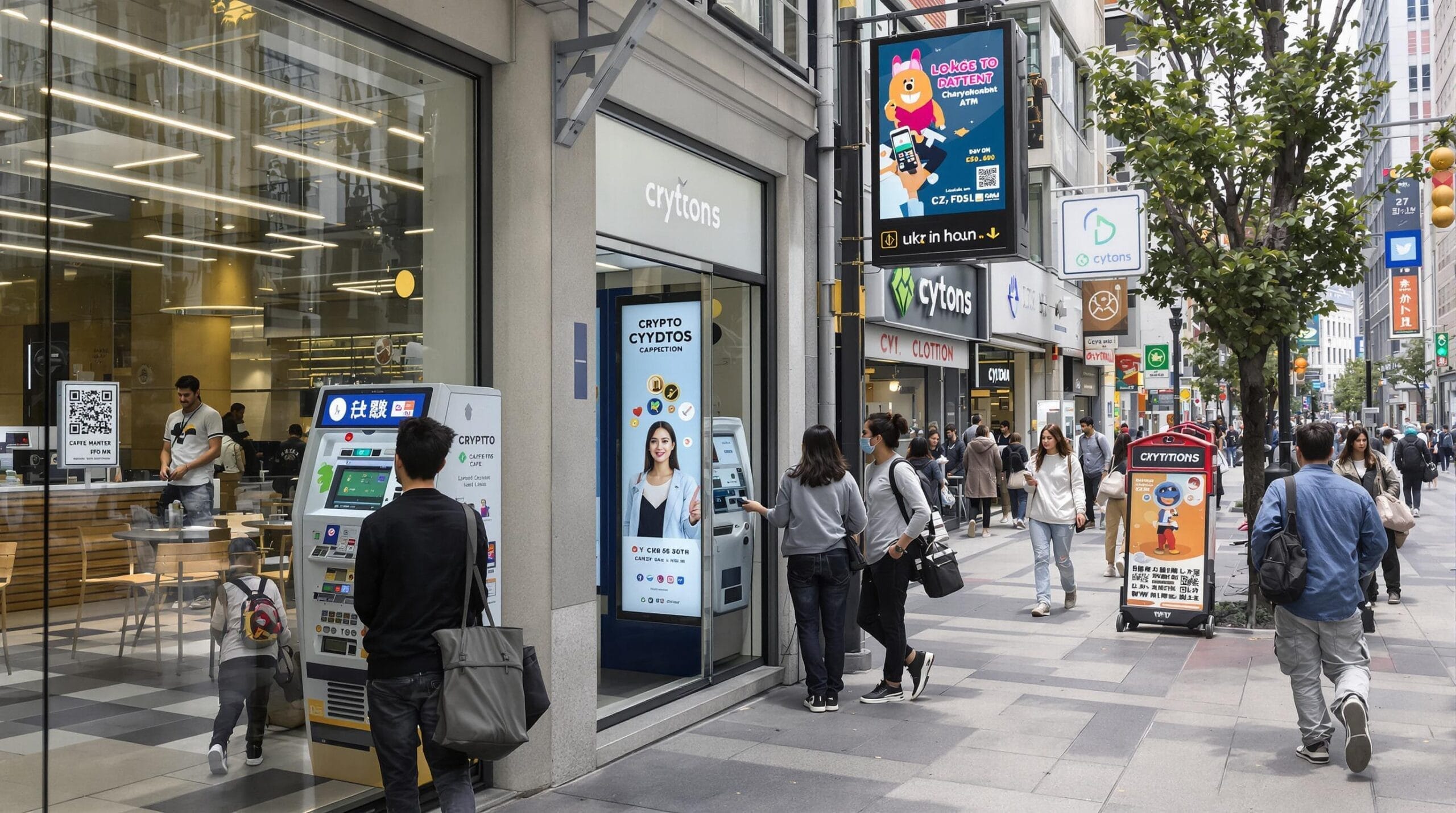
The world of money is changing, and it’s happening fast. Digital assets, what most folks call crypto, have grown from a curious idea into a global force. In May 2025, this market hit a staggering $3.05 trillion. That’s a lot of zeroes, isn’t it? This growth isn’t just quick; it’s moving at a pace that reminds you of the internet boom back in the 90s. Remember when everyone suddenly had email? This feels a bit like that.
- Crypto’s market has rapidly expanded, reaching $3.05 trillion by May 2025, signaling a significant shift in the financial landscape. This growth mirrors the rapid adoption seen during the internet boom.
- Experts predict cryptocurrency user numbers will surpass the 10% adoption mark in 2025, indicating a transition from early adopters to mainstream acceptance. This shift is expected to accelerate the growth of the crypto market.
- Cryptocurrency is making a real impact on economies, especially in places like Africa and Asia. It helps people send money across borders easily and cheaply.

History shows us something interesting about new technologies. When things like the internet or smartphones reached about 10% of people, their growth just exploded. It’s like hitting a secret switch. More users meant more reasons for others to join, and suddenly, everyone was in. Crypto is on that same path right now. After years of folks wondering if it was just a fad, a big moment is here.
Experts say cryptocurrency user numbers will pass that key 10% mark this year. Statista, a group that tracks these things, estimates we’ll hit 11.02% globally in 2025. That’s up from 7.41% just last year. It’s a pretty sharp climb, wouldn’t you say? We’re seeing more people jump in, big companies investing, and new ways to use these digital coins pop up everywhere.

That 10% number isn’t just some random guess. It’s a well-known point in how new ideas spread, a concept called the diffusion of innovations theory (how new things get adopted). It’s when adoption shifts from the early birds, who are always trying new stuff, to the much larger group of everyday people. Think of it as crypto moving from the quirky corner of the party to the main dance floor.


When you cross 10% market penetration, things really take off. The systems needed to use crypto get better, it becomes easier to access, and people just accept it more. We saw this with smartphones and the internet, both very recent examples. For crypto, hitting 10% in 2025 means more users, which means more money flowing around, more places accepting it, and more developers building cool new tools. It makes crypto much more practical for daily things, like sending money or paying for groceries.
In the U.S., a good chunk of adults now own crypto. About 28% of adults, roughly 65 million people, have some in 2025. That’s almost double the 15% who owned it in 2021. And get this: 14% of people who don’t own crypto yet plan to buy some this year. Plus, 66% of current owners want to buy more. It seems the word is out. Two out of three American adults now know about digital assets, which is a big change from when it was just seen as a risky gamble. People are starting to get it.
Crypto isn’t just about making money for some. It’s making a real impact on economies, especially in places like Africa and Asia. It helps people send money across borders easily and cheaply. It also brings financial services to those who don’t have bank accounts, giving them a way to save and spend money. It’s a quiet revolution for many.
What’s Pushing Crypto Forward?
Several things are helping crypto sprint past that 10% mark. It’s not just one big reason; it’s a mix of powerful forces working together. Let’s take a look at what’s driving this rapid change.
- Blockchain technology: This is the secure, transparent record-keeping system behind crypto. It’s like a public ledger that everyone can see but no one can tamper with. It helps with sending money, tracking goods in a supply chain, and stopping fraud. Ethereum, a major blockchain, handles over 1.5 million transactions every single day.
- Financial inclusion: Crypto opens doors for people who are unbanked (don’t have traditional bank accounts), especially in Africa and Asia. They can use their phones and other financial apps to access digital money. It’s a big step for many.
- Regulatory clarity: Some countries are making clear rules that support crypto. Places like the UAE, Germany, and El Salvador (where Bitcoin is legal money) are boosting adoption. Of course, some places like India and China still have unclear rules, which can slow things down.
- AI integration: Artificial intelligence (AI) is popping up everywhere, and crypto is no different. In 2024, there were nearly 90 crypto tokens built with AI in mind. These tokens make blockchain systems work even better for things like managing projects and making payments.
- Economic instability: When a country’s money isn’t stable, people look for alternatives. Crypto, especially stablecoins (digital coins that try to stay at a steady value, like one dollar), acts as a hedge (a way to protect against loss) against inflation. Brazil saw $90.3 billion in stablecoin transactions, and Argentina saw $91.1 billion. People are just trying to keep their money safe.
Big Names Join the Party
It’s not just individuals getting into crypto; big financial firms and businesses are jumping in too. Major players like BlackRock and Fidelity are now offering crypto services. They’ve even launched crypto exchange-traded funds (ETFs), which are investment funds that track the price of crypto. There are 72 more of these ETFs waiting for approval from the SEC (the U.S. financial watchdog) in 2025. This is a clear sign that crypto is becoming a serious investment.
Businesses are also starting to accept crypto payments. Why? It can cut down on fees and help them reach customers all over the world, especially in retail and online shopping. Burger King in Germany, for example, has accepted Bitcoin since 2019. PayPal, a name everyone knows, teamed up with MoonPay in 2024 to make it easier for U.S. users to buy crypto. Companies like Coinbase Commerce and Triple-A help merchants accept crypto and get paid in their local money, which helps avoid those wild price swings. It’s all about making it simple.
And then there’s DeFi (decentralized finance), which is like banking without banks. It’s grown a lot in places like Sub-Saharan Africa, Latin America, and Eastern Europe. In Eastern Europe, over 33% of all crypto received was for DeFi activities. That region is now third globally for how fast DeFi is growing year over year. People are finding new ways to manage their money, and it’s fascinating to watch.
Of course, it’s not all smooth sailing. Crypto still has its bumps in the road. There’s still some confusion about rules, worries about security, and the prices can jump around a lot. Making it work for everyone, everywhere, and using less energy are also things folks are working on. And, let’s be honest, there’s still a lot to learn for many people.
But the path ahead looks bright. More people are feeling good about crypto, and more governments are creating clear, friendly rules. With those ETFs gaining steam and more businesses accepting crypto payments, the future seems clear. If new ideas keep coming and people keep trusting the system, digital assets are likely to follow the same playbook as the internet and smartphones. They might even grow faster. It’s certainly going to be an interesting ride.